
**What is Special About a Damascus Knife?**
Damascus knives have captivated chefs, outdoor enthusiasts, and collectors for generations. Their mesmerizing blade patterns, exceptional quality, and storied history elevate them far above ordinary kitchen tools. But what is it that truly makes a Damascus knife special? In this blog, we'll explore what a Damascus steel knife is, how it's made, its distinctive features, and why it's so highly prized. Whether you're considering purchasing your first Damascus knife or are simply curious about its legendary reputation, this guide will reveal everything you need to know.
What is a Damascus Steel Knife?
A Damascus steel knife is more than just a cutting tool—it's a piece of history forged with skill and artistry. The term "Damascus" refers to both the visually striking pattern on the blade and the layered steel construction. The origins of Damascus steel date back to ancient Syria, particularly the city of Damascus, which gave this unique forging technique its name. Historically, Damascus blades were renowned for their strength, sharpness, and beautiful patterns, making them prized possessions among warriors and craftsmen alike.
Unlike typical knives, Damascus steel blades are crafted by repeatedly folding and forging layers of steel, resulting in a blade that combines the best qualities of hardness and flexibility. Today, Damascus knives are not only sought after for their functional superiority but also for their captivating appearance, making them a staple in the kitchens and collections of true enthusiasts.
The Unique Craft of Damascus Knife Making
The process of making a Damascus knife is an art form in itself. Traditionally, smiths would forge “wootz” steel—a high-carbon material known for its hardness—through a complex process of heating, folding, and hammering. This labor-intensive method created the signature undulating patterns and provided exceptional durability.
Modern Damascus knives are typically made using the pattern-welding technique. This involves layering two or more types of steel and repeatedly folding them, then welding and hammering the materials together to form a billet. As the metals are worked, unique patterns emerge, resulting in a blade that is both beautiful and resilient. Skillful craftsmen can manipulate the process to create diverse designs, such as ladder, raindrop, or twist patterns.
The quality and performance of a Damascus knife depend largely on the skill of the maker and the steels used. Genuine Damascus knives are hand-forged, and each one is unique, demonstrating the expertise and artistry of its creator.
Distinctive Features of Damascus Knives
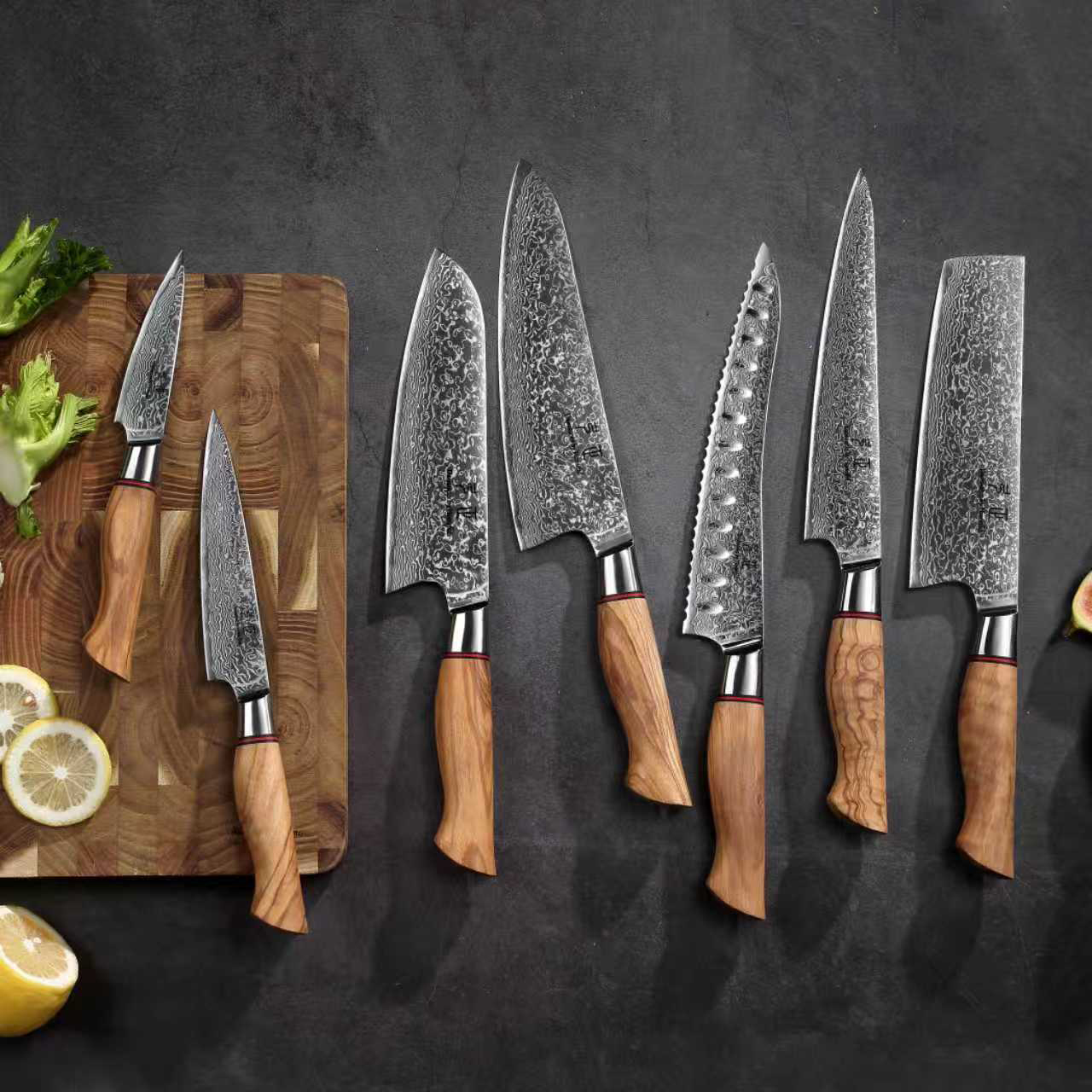
The most eye-catching feature of a Damascus knife is undoubtedly its patterned blade. These wavy, watery motifs aren't simply decorative— they tell the story of the forging process and the layers within the steel. Each knife displays its own distinct pattern, making it a one-of-a-kind piece.
But the beauty of Damascus knives goes far beyond their appearance. The layering technique imparts both toughness and flexibility, which translates into superior performance. Damascus steel is known for excellent edge retention, allowing the knife to remain sharp for longer periods compared to standard blades. It also resists chipping and cracking, making it ideal for demanding tasks, from slicing delicate produce to cutting tough meat.
In summary, a Damascus knife merges art and engineering, producing a tool that is as functional as it is visually stunning.
Why Are Damascus Knives Special?
So, what sets Damascus knives apart from other blades? Here’s why they are considered so special:
- **Artistry and Functionality**: Every blade is a testament to time-honored craftsmanship, blending aesthetics with performance.
- **Historical Significance**: Damascus steel has been revered for centuries, associated with legendary swords and warriors.
- **Unique Aesthetics**: No two Damascus knives are the same, thanks to their patterned layers.
- **Superior Performance**: Enhanced sharpness, edge retention, and durability make them favored by chefs and outdoorsmen.
Owning a Damascus knife means possessing a piece of history, skill, and beauty, all forged into one remarkable tool.
Caring for a Damascus Knife: Maintenance Tips
To preserve the beauty and functionality of your Damascus knife, proper care is essential. Here are some expert tips:
- **Cleaning**: Hand-wash your knife after each use with warm water and mild soap. Avoid putting it in the dishwasher, as harsh detergents and high temperatures can damage both the blade and handle.
- **Drying and Storage**: Dry your knife immediately after washing to prevent rust. Store it in a dry place, preferably in a sheath or on a magnetic strip.
- **Sharpening**: Use a whetstone to sharpen your Damascus knife. Avoid electric sharpeners, as they may erode the blade and disrupt the pattern.
- **Avoiding Damage**: Don’t use your Damascus knife on hard surfaces like glass or stone, and never use it to cut bones or frozen foods.
By giving your Damascus knife the care it deserves, you can ensure it remains a beautiful and reliable companion for years.
Choosing a Genuine Damascus Knife
With their growing popularity, some unscrupulous manufacturers produce imitation Damascus knives that lack the quality and character of true pattern-welded blades. Here’s how to identify a genuine Damascus knife:
- **Blade Pattern**: Authentic Damascus knives have the pattern not only on the surface but throughout the layer of steel. If the pattern looks printed or overly uniform, it may be fake.
- **Maker’s Reputation**: Purchase from reputable brands or skilled artisans with proven expertise in Damascus forging.
- **Material Information**: Genuine Damascus knives typically disclose the types of steel used in construction.
- **Price Point**: Quality Damascus knives are not inexpensive. Be wary of “too good to be true” bargains.
Some trustworthy brands include Shun, Miyabi, and artisan makers who specialize in custom blades. Investing in an authentic Damascus knife ensures you receive the legendary beauty, performance, and heritage associated with this craftsmanship.
Conclusion
A Damascus knife is more than just a practical cutting tool—it’s a fusion of history, craftsmanship, and artistry. Its unique patterns, superior strength, and cultural significance make it an invaluable addition to any kitchen or collection. By understanding how Damascus knives are made, recognizing their distinctive qualities, and practicing proper maintenance, you can appreciate what truly makes a Damascus knife special.
Whether you’re a chef seeking top-tier performance, a collector drawn to beauty and heritage, or a home cook in search of a reliable kitchen companion, a Damascus knife is an investment that will continue to shine for years to come. Share your experiences with Damascus knives in the comments below or let us know your favorite designs—your feedback may inspire others to discover the magic of Damascus steel.